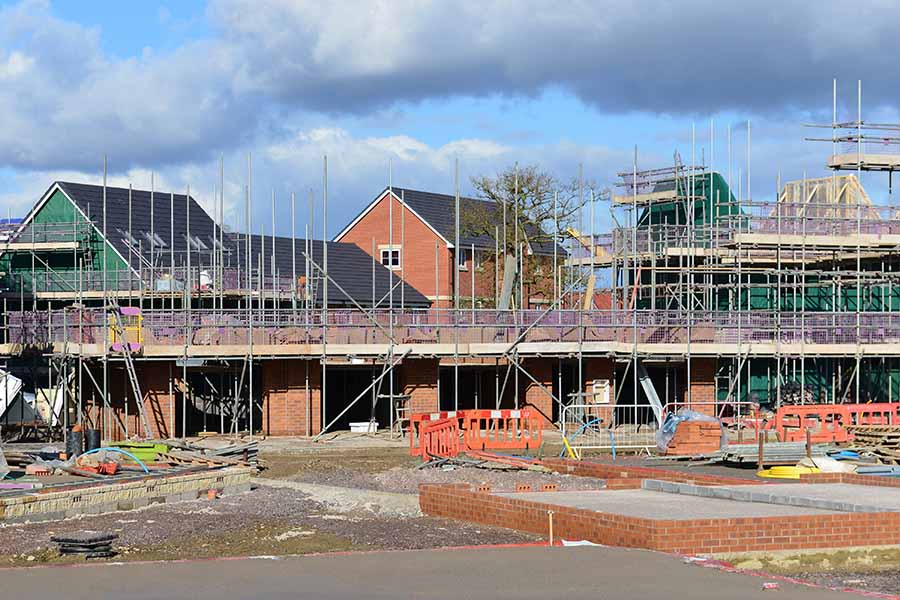

When the new housing secretary Steve Reed declared his mission to “build, baby build” and accelerate delivery of 1.5 million homes this Parliament, the announcement was widely welcomed across the property industry. The ambition is clear: to bridge the gap between supply and demand, particularly for affordable homes, which remain out of reach for many.
But ambition on paper is one thing. Delivering the keys to new homes into people’s hands is another, and here, real estate lawyers will find themselves on the front line.
Our data shows the scale of the affordability challenge: demand for affordable housing is currently outpacing supply by a factor of 12 to one. That means for every affordable home delivered, there are 12 households who need one. Bridging this gap requires more than bricks, mortar and planning consents. It demands a legal system that is prepared to process a surge of affordable home transactions quickly, efficiently and at scale.
Planning reform is only half the story
Much of the debate around housing focuses on planning permissions and developer incentives. While vital, these are only part of the picture. Even with 1.4 million homes already holding planning permission but yet to be built, the real bottleneck could emerge further down the line when these homes hit the market and transactions start to flow.
If the legal framework cannot keep pace with the sheer volume of commercial and real estate work, particularly for affordable housing providers and first-time buyers, delays will mount. Investors, developers and registered providers alike need certainty. In an uncertain economic climate, protracted transactions can lead to renegotiations, extra costs or collapsed deals.
For real estate lawyers, this means the challenge is less about whether a housing boom arrives, and more about how ready the profession is to handle it.
A post-Budget inflection point
With housing starts down 40% in 2024 and planning approvals sharply declining, the current market is operating from a historically low base, but a rebound is expected. Labour’s £39 billion Social and Affordable Homes programme is designed to drive momentum, bringing with it a rapid rise in legal caseloads.
Real estate lawyers advising housing associations, local authorities and individual buyers must be prepared for a significant upswing in affordable home transactions. The sector’s ability to cope will directly influence whether Reed’s housebuilding target translates into reality, or whether it falters under the weight of legal bottlenecks.
Pressure on legal capacity
The predicted uptick in activity will bring pressure on capacity across the system. Housing associations, local authorities and registered providers will depend on legal processes that can deliver speed and certainty across land acquisitions, financing and affordable housing sales. For individual buyers, especially first-time purchasers, the experience of affordability is undermined if their transaction drags on for months.
Yet this pressure comes at a time when capacity for real estate lawyers is already stretched. According to the Solicitors Regulation Authority (SRA) data, thousands of solicitors have left the sector in recent years, while the workload continues to grow more complex. The result is a profession under strain, facing the prospect of doing more with less.
Technology as the scaling lever
This is where innovation has to play its part. High-volume, low-margin affordable housing cases cannot be managed at pace without smarter use of technology. Digital tools and AI can cut processing times, reduce errors and relieve lawyers of repetitive, admin-heavy tasks. That means more time to focus on the elements of transactions where human judgement and legal expertise are indispensable.
For firms, adopting these tools is not just about coping with volume, it also strengthens their position in tendering for affordable housing and registered provider work, where efficiency and cost-effectiveness are key competitive advantages.
A call to action
The Government’s targets are bold, and rightly so. But without legal innovation, the ambition to build 1.5 million homes risks becoming another unfulfilled political promise. Real estate lawyers are central to translating national ambition into lived reality for thousands of households who need affordable homes.
The question now is whether the sector is ready to meet the challenge. If it embraces technology, builds capacity and positions itself as a partner in delivery, real estate lawyers can enable rather than constrain the affordable housing boom. If not, delays and inefficiencies could blunt the impact of one of the most ambitious housing programmes in decades.
For the legal profession, this is both a challenge and an opportunity: to play a defining role in one of the country’s most urgent priorities, and to ensure that the next chapter of housing delivery does not get stuck in the legal pipeline.