
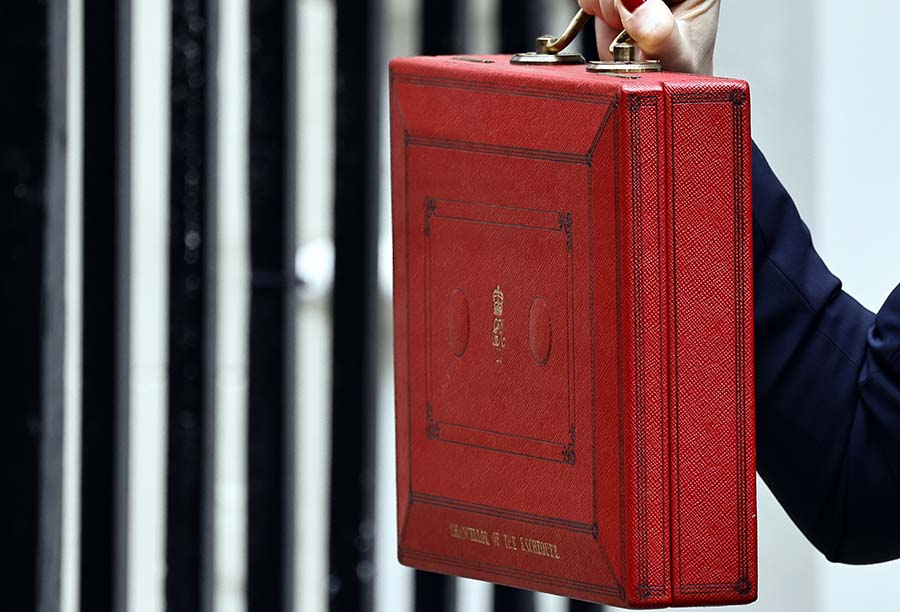

Following weeks of speculation as to what the autumn budget may hold for property taxes, prompting home buyers and sellers to adopt a ‘wait and see’ approach to moving, the chancellor’s measures for the housing market have been muted in comparison to the ‘chaotic’ build-up.
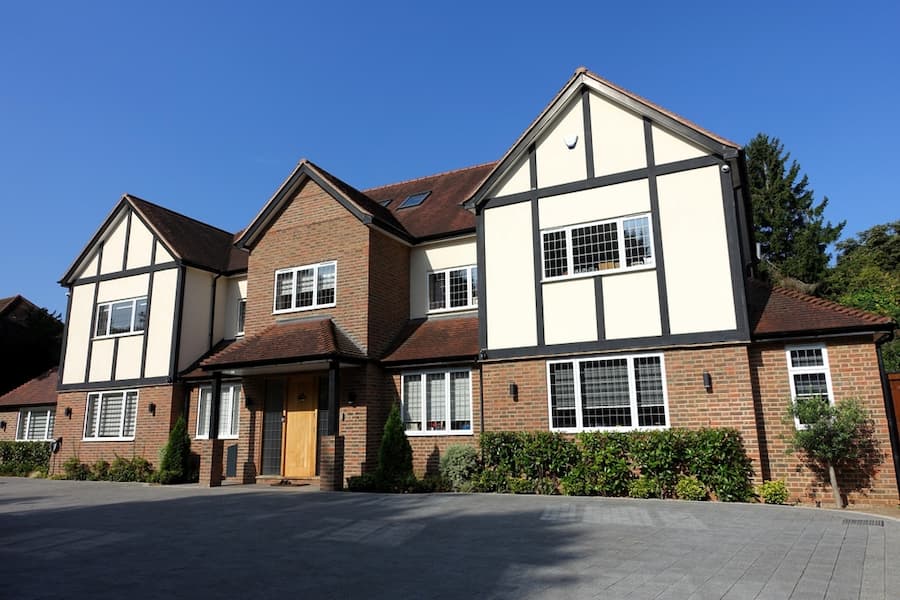
The rumoured overhaul of the stamp duty system failed to materialise, as did the unpopular suggestion that the highest council tax bands could be doubled. Only the proposals for the mansion tax made it into the chancellor’s measures, with a surcharge to be introduced on properties worth more than £2 million.
From 2028, an annual ‘high value council tax surcharge’ of £2,500 for properties worth between £2-5 million and £7,500 for properties worth over £5 million will be collected through the council tax system.
Outlining the changes, which will affect less than 1% of properties and are set to raise over £400 million by 2031, the chancellor said a council tax band D home in Darlington or Blackpool is liable for £2,400 in council tax – ‘£300 more than a mansion in Mayfair’.
Sharing her plans for ‘a fairer system’ that would ‘cut the cost of living’, the chancellor announced a two percentage point increase in the basic and higher rate of tax on property income: ‘A landlord earning £25,000 a year will pay less in tax than tenants earning the same amount’, she pointed out.
The increase will also apply to savings and dividends, with the increase estimated to raise £2.1 billion. “Around 90% of taxpayers will pay no tax at all on savings”, the chancellor stressed, adding:
“I will ensure that the wealthiest will contribute the most.”
The chancellor peppered her speech with commitments to cut the cost of living with money off bills and prices frozen, ‘not austerity or reckless borrowing’. Repeatedly referring to the measures introduced during 14 years of Tory rule, the chancellor said the Labour government is committed to investment, not cuts.
“I said there will be no return to austerity and I meant it… I said I would cut the cost of living and I meant it… This budget will bring down inflation and provide immediate relief for families.”
Promising growth through ‘stability, investment and reform’, the chancellor said the ‘damaging decisions’ made by the Tories during their 14-year legacy of austerity, Brexit, the pandemic and cuts to public spending had left ‘communities and entire regions behind’.
Instead, Labour promised to boost trade, increase investment, champion innovation, back working people, and build the economy, roads and home ‘brick by brick’, she said.
The chancellor’s statement was marred by the release of the Office for Budget Responsibility’s analysis in advance of the measures being unveiled in the Commons – a breach the Commons speaker, Nusrat Ghani, said was ‘a supreme discourtesy to this house’.
Addressing the error, Reeves agreed the leak was ‘deeply disappointing and a serious error on their part’. The OBR has admitted full responsibility and apologised for the breach.
Today’s Conveyancer will include industry commentary and further in-depth details of the measures announced in the budget throughout the day and in tomorrow’s coverage.











2 responses
Political Gestures Over Substance
When the Chancellor unveiled the so‑called “mansion tax,” the headlines wrote themselves: a surcharge on homes worth over £2 million, designed to ensure that “a £2m mansion doesn’t pay less council tax than a family home.” It is a neat political soundbite, but professionals like property lawyers and surveyors remain sceptical.
The levy targets a segment of the market far removed from the affordability crisis faced by ordinary buyers. Council tax itself is already regressive, still based on 1991 valuations that leave many modest homes in London and the Southeast paying disproportionately high rates. Adding a surcharge at the top end does nothing to fix this inequity.
What many professionals had hoped for was reform of stamp duty land tax — widely seen as the single biggest barrier to mobility. By leaving it untouched, the Budget preserves a tax that discourages downsizing, upsizing, and relocation, all vital to a healthy housing market.
Prime property markets rely on liquidity. A punitive levy risks deterring overseas investors and domestic buyers alike, undermining confidence in a sector that contributes significantly to the wider economy. Older owners of high‑value homes may also be less inclined to sell, locking up housing stock that could otherwise be released to families.
Meanwhile, landlords face an extra 2% income tax on rental income. Professionals warn this will shrink supply and push up rents, making it harder for tenants to save for deposits.
The mansion tax falls most heavily on London and the Southeast, where £2m homes are often family houses rather than palatial estates. Far from addressing affordability nationwide, it risks deepening regional divides.
By chasing headline‑grabbing fairness narratives, the government undermines its credibility. First‑time buyers will see little change in deposit requirements, mortgage costs, or housing supply.
The mansion tax is pure politics — rhetorically useful, fiscally modest, and practically limited. It plays well in the language of fairness but fails to deliver it where it matters: access to homeownership for ordinary families.
They even backed-off from the revaluation of F, G and H properties, its now just a “targetted valuation” to identify the £2m houses.