
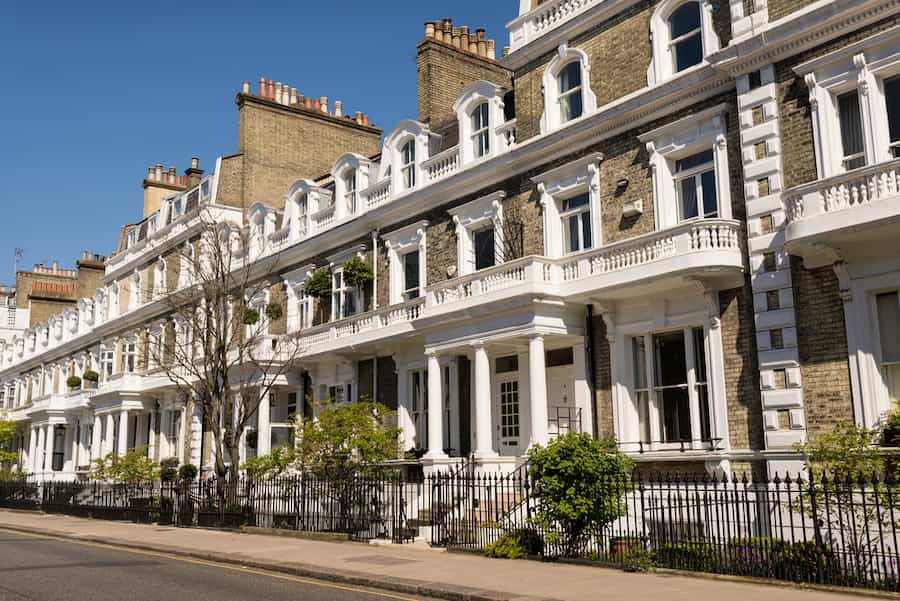

Chancellor Rachel Reeves plans to raise up to £450 million from a levy on high-value homes collected through council tax bills, according to a report in The Times.
Revaluing properties in council tax bands F, G and H will affect more than 100,000 homes, with a surcharge averaging £4,500 and owners of the more expensive homes paying significantly more.
The threshold for the tax has been increased to £2 million, The Times reports, to ensure only the owners of the most expensive properties will be liable. Earlier speculation surrounding the introduction of a tax on high-value properties set the threshold at £1.5 million, which would affect 300,000 homes. The chancellor is said to have reconsidered this plan amid concerns it would impact people on lower incomes but whose properties had accrued value.
The Office for Budget Responsibility has said the plans could lead to sellers attempting to keep prices below the thresholds for higher rates, with a wider impact on the housing market.
Budget speculation surrounding property taxes has been met with reports of uncertainty in the housing market for several weeks. Data from Rightmove reveals sales agreed for homes valued at £2 million or more are down 13% year-on-year, with less than 0.5% of all sales agreed this for properties with an asking price over the threshold.
‘This budget process has been chaotic’, said Paula Higgins, CEO of Homeowners Alliance.
“Six months of public brainstorming has drained confidence from the housing market, paralysing activity and leaving homeowners anxious. The housing market thrives on confidence and it’s clear to us that confidence has been the silent casualty.
“If a mansion tax is introduced, in the form of a 1% levy on properties worth at least £2 million, with an annual charge of 1% of the amount over that threshold, there must be a long lead-in time. Homes are people’s security, often their pension. Many people have prioritised owning a home over all else and are asset-rich and income-poor; they would struggle to afford a sudden new annual charge. A ‘mansion tax’ also hits ordinary family homes in London and the South East far more than the rest of the UK.
“Most importantly, any attempt to raise council tax or introduce a mansion tax cannot be fair without a full, nationwide revaluation of homes. Council tax bands are still based on 1991 values. Trying to bolt new charges onto a 34-year-old valuation system risks huge distortions – punishing some households purely because their area has risen in value or they have invested in their home, while others with equally valuable homes escape. If the government wants fairness, it must first face up to the need to revalue the vast majority of the housing stock.”
Several proposals to overhaul stamp duty have been mooted in recent months, including moving the responsibility for property tax from buyers to sellers on homes worth more than £500,00 and allowing payments to be made over several years.
Affected homes priced between £500,000 and £2 million have seen sales agreed drop by 8% year-on-year, according to Rightmove’s data, which also shows the stark regional variations in liability. Around 30% of homes for sale in England are priced at over £500,000, but 59% of homes in London would be subject to the annual property tax, compared to just 8% in the North East.
‘“We welcome plans to replace stamp duty. We’ve campaigned scrapping stamp duty for over a decade because it’s a tax on aspiration and movement’, said Paula Higgins.
“But any replacement must be consulted on properly, with winners and losers clearly understood, so people can plan their finances. This toxic cycle of SDLT fiddling, with tweaks, holidays, exemptions etc with all the unintended consequences, needs to stop.”
“Our clear ask to the chancellor is this: homeowners need stability, predictability and fairness. That means a full and transparent consultation on any changes to property taxation; a long-term, consistent framework that households can plan around; and if the government wants a fairer system, it must start with a modern revaluation rather than layering new taxes onto an outdated one.
“The country needs a housing tax strategy — not more policy made on the hoof.”















One Response
Why bother aspiring to improve yourself and enjoy the trappings of an F home for the Government to tax you more?
Many people who have F homes are retired and live on pension and/or savings. How is it fair to then take additional money from them. Will this lead to people trying to sell up.