
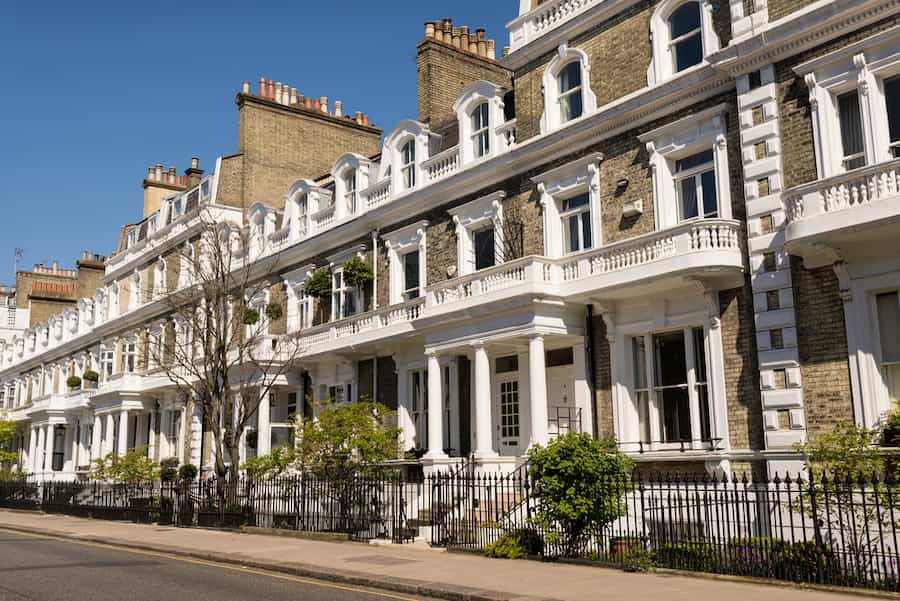

Following the news the government is considering introducing a national property tax in place of Stamp Duty, it has been further reported a ‘mansion tax’ is under consideration by the Treasury in an attempt to plug the £40bn gap in public finances.
It is understood the October budget, the date of which is yet to be set, could see the current exemption from capital gains tax (CGT) under private residence relief end for properties above a certain threshold. CGT could be charged when homeowners come to sell their ‘primary’ residence. Higher-rate taxpayers would have to pay 24% of the value of any gain they make from the increase in the value of their property while basic rate taxpayers would have to pay 18%.
The Times reports discussions are ongoing around thresholds in the Treasury, who believe it has the potential to raise ‘significant sums of money’. One example cites a property threshold of £1.5 million would hit around 120,000 homeowners who are higher-rate taxpayers with capital gains tax bills of £199,973.
The news comes in the same week a ‘national property tax’ could replace Stamp Duty Land Tax. First reported in The Guardian, the tax would be paid on the sale of ‘primary’ owner-occupied homes although again the thresholds are unclear with £500,000 being suggested. The national property tax would be paid to HMRC by owner-occupiers, at a rate set by central government, on the sale of primary residences; stamp duty would still be collected on second homes. A second local property tax to replace council tax is also being considered.
Professionals have raised concerns any attempt to introduce higher taxes on property transactions could destabilise and slow the market; and hit older homeowners who might be planning to downsize. Paula Higgins, CEO of the Homeowners Alliance, described the proposal as ‘an attack on homeowners’, adding:
“The government needs to tread carefully. Uncertainty around property taxes causes paralysis in the housing market. We’ve just seen how damaging this uncertainty can be: in April this year, when stamp duty thresholds changed, transactions collapsed by 64% in a single month – the sharpest fall on record. Homeowners can’t afford a repeat.”
Simon Brown, CEO of Landmark Information Group shared similar sentiment, adding a better solution would be to make home moving easier, organically increasing transactions and the associated taxes.
“Any tax that rises with property value risks slowing the housing market even further. If downsizing becomes less attractive, larger family homes stay off the market and transaction volumes fall. This reduces overall movement in the market upwards and downwards, and not only reduces choice for families and first-time buyers it also hits the Treasury by shrinking the tax base.”
The real answer is to create a more liquid market. When moving is easier and less costly, households can find the right homes, developers get clearer signals about demand, and the Exchequer collects more through higher volumes of transactions. A faster, more streamlined housing market is better for families, for business, and for the public finances.”
The impact on homeowners will depend on where the threshold for any levy sits. Property portal Rightmove suggest if the tax was to hit houses at £1.5m or more, it would disproportionately impact London and the South, where 11% and 4% of homes are priced over £1.5m respectively.
Colleen Babcock, Rightmove’s property expert, commented:
“In essence this would predominantly be a tax on the most expensive areas of London and the South East. The London market is already feeling the effects of taxation more acutely than other parts of England, and this is likely to deter some moves at the upper end. While our data shows that only a small proportion of homes for sale are in this price bracket, alongside the proposed stamp duty changes, it could be a double whammy for the capital.”
Proportion of homes for sale over £1.5 million by region
| Region | Proportion of homes for sale over £1.5 million |
| London | 10.9% |
| Average outside of London | 1.6% |
| South East | 4.4% |
| East of England | 2.3% |
| South West | 2.2% |
| North West | 1.1% |
| West Midlands | 1.0% |
| Yorkshire and The Humber | 0.7% |
| East Midlands | 0.6% |
| North East | 0.5% |















2 responses
A threshold of £1.5million is too low for London area. My son lives in a modest terrace house not a mansion.
Also it would adversely affect the housing market. With stamp duty added on as well it means many could not afford to move and will stay put reducing the availability of housing.
Older people who want to downsize and / or release capital to cover care costs would also be badly affected.
If it is introduced then it needs to be set at a higher threshold in the London/south east area.
Why not bite the bullet and increase everyday taxes such as VAT, fuel tax, tobacco, alcohol and especially gambling.
To elevate your property to eg 1.5 million many individuals in mid to later working life fund a major refurbishment to get their property up to the 1.5m mark or over. My own property in London cost over 300k to renovate. My aim would be to pay off the cards and second charge mortgage needed for this build on selling at over 1.5 million so essentially l would be paying this ridiculously high tax plus paying off my debt and being left with no ability to downsize for retirement!