


A new legal technology platform designed to help conveyancers identify registration issues before applications are submitted to HM Land Registry (HMLR) is readying for launch with a free initial pilot open to interested conveyancers.
RegLand has been built to help conveyancers with avoidable requisitions, missing evidence and registration delays when submitting to HMLR acting as a pre-validation layer for Land Registry applications, helping firms identify potential issues before submission and providing greater confidence that applications are registration-ready.
Its developers say unlike traditional workflow or document management systems, RegLand has been designed specifically around the realities of post-completion and HM Land Registry requirements.
RegLand has been built by Ruth Beeton and Simon Priestley (pictured), directors at north east-based H S Conveyancing.
“For too long, conveyancers have had to submit applications and simply hope everything is right,” the pair said in a statement announcing the release. “RegLand changes that. This is not technology built by people outside the industry trying to guess how conveyancing works. This has been built by conveyancers who understand the real pressures, risks and frustrations involved in registration.
“We believe RegLand has the potential to fundamentally change how firms approach post-completion and Land Registry submissions.”
Beeton said the platform analyses applications against common registration risks, including restrictions, missing supporting evidence and procedural issues that frequently result in requisitions and delays. It has been extensively tested against real-world applications and registration scenarios, with positive early feedback.
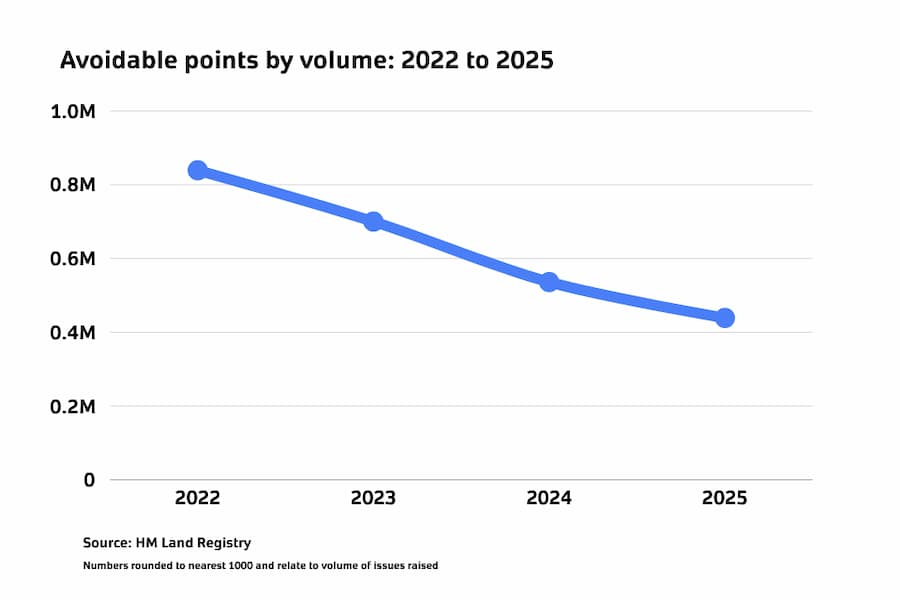
HMLR is also working on validation checks for post-completion work after its own analysis revealed the time it takes to review and resend submissions could be costing conveyancers as much as £19 million per annum. It has also committed to naming poor-performing firms through its avoidable requisitions data published on GOV.UK.
Far from ‘competing’ with HMLR’s pre-validation checks, Beeton told Today’s Conveyancer the two systems “complement and support” each another.
“We have worked alongside HM Land Registry during RegLand’s development to better understand the operational challenges surrounding application quality, requisitions and registration delays,” she said. “That collaboration has helped shape a platform focused on improving the quality of applications before they ever reach the point of submission.
“HMLR pre-validation is focused on identifying whether an application meets the Registry’s submission requirements at the point of lodgement. It focuses not only on whether an application can technically be lodged, but whether the underlying legal documents and evidence align sufficiently to support a successful registration outcome. That is an important step forward in improving application quality and reducing avoidable requisitions.”
RegLand operates much earlier in the transaction lifecycle and will look at issues including inconsistencies between TR1/TP1 wording and title entries; missing or conflicting execution evidence; restrictions and consent requirements; supporting document gaps; title-specific risks likely to generate requisitions; and registration readiness across the transaction as a whole.
Both approaches share the same broader goal, Beeton concluded: if HMLR is validating at the point of lodgement, RegLand has the ability to identify issues before submission, thereby reducing unnecessary delays, minimising avoidable requisitions and helping firms improve efficiency, risk management and confidence in the registration process.
“At a time when the conveyancing industry continues to face ongoing pressure around efficiency, compliance, resource management and HM Land Registry delays, firms (are) increasingly seeking ways to reduce avoidable friction within the registration process.”















One Response
LOVE the little dig at ‘people outside the industry’…..Like, I need to be a doctor to know if I’ve chopped my finger off!!