
A House of Lords Committee investigating delays caused by the Building Safety Regulator’s (BSR) approval processes has been applauded by lawyers representing clients affected by buildings with dangerous and unsafe cladding.
The Industry and Regulators Committee’s report says the delays to leaseholders unable to sell homes in buildings affected by unsafe cladding are unacceptable. “There is an urgent need for the BSR to improve on how it operates its new framework,” the committee wrote.
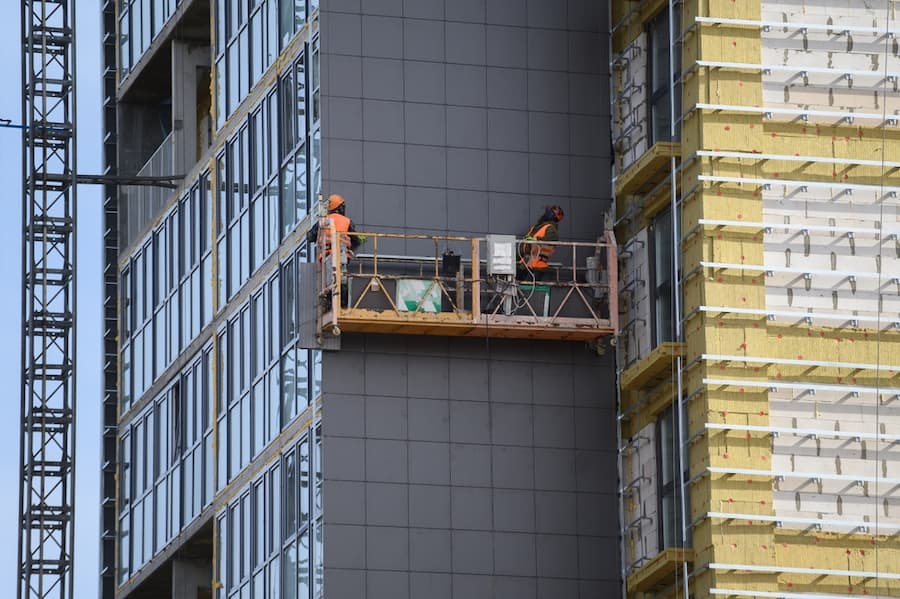
“We heard consistent and repeated complaints that the BSR could take more than nine months to make decisions on whether construction projects should be allowed to go ahead, significantly longer than the statutory target of twelve weeks for these decisions. In many cases, this has delayed or disincentivised refurbishments, safety upgrades and the remediation of dangerous cladding in high-rise buildings, leaving residents in unsafe buildings for longer and increasing costs for leaseholders.”
The issue also prevents or delays the delivery of new housing in high-rise buildings, the committee added, which in turn slows progress toward the government’s ambitions of building 1.5 million new homes in this parliament.
Key findings of the report include the BSR not giving clear enough guidance on how applicants can demonstrate their buildings are safe; many applications rejected or delayed due to basic errors in applications and inability of applicants to evidence how they are considering fire and structural safety; construction products without relevant product standards, “leaving them entirely unregulated”, and an “ageing workforce of building inspectors… struggling to meet demand” due to a lack of local authority funding.
Committee chair Baroness Taylor of Bolton said:
“The tragic loss of 72 lives at the Grenfell Tower fire laid bare the urgent need to reform building safety regulation in England, particularly for high-rise buildings. The introduction of the Building Safety Regulator was a necessary and welcome step.
“However, the scale of the delays caused by the BSR has stretched far beyond the regulator’s statutory timelines for building control decisions. This is unacceptable. We welcome that the Government and the BSR are now acting to try and make practical improvements, but this will not address the anxiety and frustration that residents and companies have experienced.
“It does not improve safety to delay vital remediation and refurbishments, nor to deter the delivery of new housing in high-rise buildings. We expect to see further action from the government and the BSR to ensure that construction projects in high-rise buildings can be brought forward more quickly, without compromising on vital safety improvements.”
The report is calling on the BSR to give greater guidance to its MDTs on how compliance with the Building Regulations should be evidenced and assessed to ensure greater consistency; the government to remove smaller works from the BSR’s building control approval processes, or introduce a streamlined approval process; the BSR to allocate the same multi-disciplinary teams to similar buildings or projects built by the same organisation, which could improve efficiency and consistency; and the government to provide long-term funding for the training of new building and fire inspectors.
Commenting on the recommendations, Liz Ramsden, residential property partner at Knights, said:
“The delays are leaving leaseholders unable to sell when applications for remediations are stuck with the Building Safety Regulator and works cannot start. When they have been moved out for safety reasons, many leaseholders face not being able to live in their homes while also paying increased insurance costs.
“The ability to approve Gateway 2 applications within the statutory timeframe will undoubtably help to free up so many properties that cannot be sold due to these issues.
“I completely agree that the scope of the BSR shouldn’t be extended to lower buildings yet as this would lead to further overloading of an already struggling system. This would affect more than just the current high-risk buildings as many more would fall under the scope for remediation works, causing further problems with saleability and a slow down in the struggling leasehold market.
“More guidance from the BSR will only help improve application quality which means remediation works can begin quicker, and people can either move back into their home where they have been removed due to the severe safety concerns or be able to sell or refinance their properties.
“One of the aims of the Building Safety Act 2022 (BSA) was to protect leaseholders from costs, but many are finding that with the fees to the BSR and increased liabilities, service charges are increasing disproportionately.
“Unfortunately, leaseholders who bought prior to the BSA, or soon after when the impact wasn’t quite understood, are being hit with wholly unexpected costs.”
David Morris, construction partner at Knights, added:
“The committee’s findings closely align to what I am hearing from clients. Whether new schemes or remedial works, they are experiencing severe delays, it is not clear what information they need to provide as part of BSR applications, and they ultimately face a real challenge to achieve approval within a reasonable timeframe.
“The role of the BSR is to approve applications and advise where necessary, so it’s no bad thing that some applications did not meet the required standard.
“Some of that was because of a lack of evidence in support, so we welcome the increase in guidance and communication with applicants. Some of that was because of errors and failures on the industry side, and that means the BSR is doing its job, albeit at some cost and delay.
“Moving forward the hope is that any obstacles – delays, clarity, applicable standards, communication, personnel – are removed and the process is streamlined on the part of both the building industry and the Regulator, and this report is a positive step.”
Report: The Building Safety Regulator: Building a better regulator