
An EWS1 form is intended for valuation and lending purposes only and is not a fire safety certificate and does not replace a professional life safety fire risk assessment, according to new guidance.
The Royal Institution of Chartered Surveyors (RICS) has published the second edition of its UK professional standard, Secured lending valuation of properties in multi-storey, multi-occupancy residential buildings with cladding, providing updated guidance for RICS members and regulated firms undertaking valuations for secured lending purposes.
The new standard is effective from 1st November 2026, and RICS encourages early adoption.
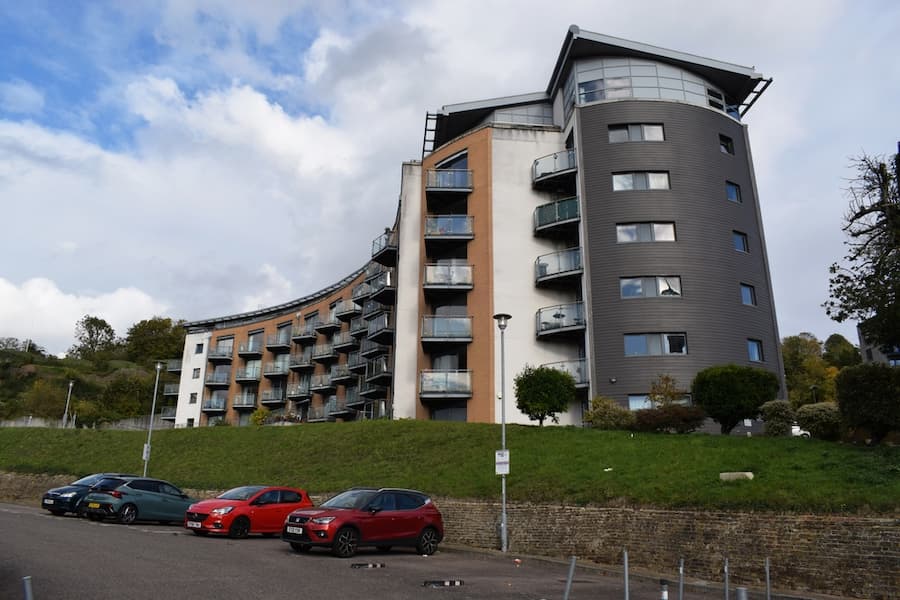
In an effort to clear up any confusion and to avoid unnecessary delays in home buying and selling, the guidance sets out when an EWS1 form should be requested during the secured valuation of domestic residential properties, including mixed use blocks of flats in multi-storey, multi-occupancy buildings with cladding.
The standard has been developed in consultation with industry experts including fire safety industry professionals, valuers, insurers and lenders. It aims to offer a more consistent and proportionate approach to valuation and identifying buildings where cladding or balcony remediation works may affect market value or saleability.
According to the new guidance, an EWS1 form should only be requested where there is a clear rationale. Criteria for assessment include building height, visible cladding, curtain wall glazing and some balcony configurations. There are different thresholds for buildings over six storeys, buildings of five or six storeys, and buildings of four storeys or fewer.
RICS anticipates adopting the new guidance will result in a “reduction in unnecessary delays for buyers, sellers and homeowners seeking to remortgage”.
Nigel Sellars, RICS senior specialist for residential valuation, said: “Mortgage valuations must give lenders and borrowers clear and proportionate advice. This updated standard provides practical criteria for when further cladding information is needed, helping to reduce unnecessary EWS1 requests while ensuring that material risks to value are properly considered.”
Buyers and legal advisers should still seek the building’s fire risk assessment before purchase, RICS said.