


New versions of the TA6 property information form, and TA7 leasehold information form have been launched by the Law Society, bringing an end to a tumultuous period for conveyancers after backlash against the introduction of extensive material information requirements in the fifth edition TA6, extending the document to over 30 pages in length.
The new TA6 sixth edition will supersede the 4th and 5th edition which have run concurrently since last year, and the TA7 will be mandatory for Conveyancing Quality Scheme (CQS) members from 30 March 2026.
After the furore of the 5th edition the Law Society launched a consultation which informed its approach to a further updated TA6 form. More than 1,200 solicitors, licensed conveyancers, estate agents and sellers provided feedback. Speaking on the latest Today’s Conveyancer Podcast one of the members of the working group responsible for developing the 6th edition explained how the consultation informed their work.
Sarah Sargent, Head of Residential Conveyancing at Flint Bishop, joined the Law Society’s working group in late 2024 after the backlash to the 5th edition. The 6th edition is the product of nearly a year of weekly meetings, each lasting up to two hours, involving deep analysis of member feedback, consultation data, and practical conveyancing experience. The committee exhaustively reviewed the 1,000 responses to the consultation from conveyancer members which offered measured insights that helped shape the form’s practical improvements. Notably, the committee decided early on to separate material information from the TA6, allowing for clearer focus and usability.
A wholesale review of home buyer understanding and usability of the form, and its liabilities, is reflected in clearer explanatory notes and structure, developed through user testing involving in-depth interviews with conveyancers and sellers, as well as eye-tracked usability studies. These efforts ensured the form is both visually intuitive and logically structured for professionals and clients alike.
Alongside the removal of the much-maligned material information, key changes in the 6th edition include a reduction in length, now 15 sections, and the removal of questions on council tax, asking price, building safety, and accessibility. The form now includes more ‘not known’ options for when sellers don’t know the answer to certain questions.
One of the criticisms levelled at the process of updating the TA protocol forms is the lack of practical, day-to-day experience of frontline conveyancing. But nothing could be further from the truth concludes Sargent, refuting claims the committee is out of touch, and emphasising the group’s collective expertise and hands-on knowledge of the challenges faced by conveyancers in delivering this updated form.
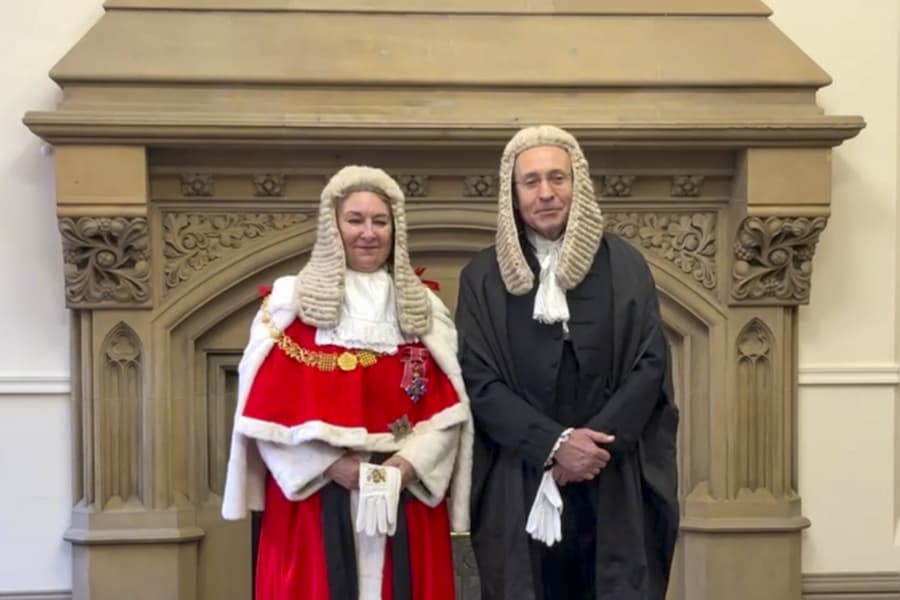
New Law Society of England and Wales president Mark Evans said the 6th edition was a ‘simpler form with clearer explanatory notes” adding ‘sellers can feel more confident filling it out and knowing when to get advice from their solicitor.’
“Our job is to ensure the transaction forms used in the home buying and selling process are not just accurate but practical.”
The 5th edition of the TA7 leasehold information form has been updated to reflect changes made in the TA6.
Today’s Conveyancer’s interview with Sarah Sargent is available now on the the Today’s Conveyancer Podcast; available below, on your preferred podcast provider and also at www.todaysconveyancer.co.uk. Subscribe and listen in for all the latest conveyancing industry news and views.
Thank you to our podcast sponsors PEXA, SmartSearch and VacantC Legal Recruitment















2 responses
Possibly early days, but I have received only one comment (and a positive one at that!) so far from the BLG membership: “No gripes from me – revised TA6 and TA7.”
I agree that these are better forms.
However in the fullness of time these forms could be cast aside. Instead due diligence will take the form of raw data, passing between different IT platforms, if the report on ‘inter-operability of data’ commissioned by the Land Registry as part of the DPMSG ever sees the light of day.
In this report there was, amongst other things, the remarkable proposition, that conveyancers were by nature risk averse and this caused delays in the digitalisation of conveyancing. Furthermore they still used PDFs!
The Law Society efforts are to be applauded since they have resulted in simpler forms.
However, property law practitioners have much bigger things to worry about with the government’s two consultations on reforming conveyancing and material information respectively.
The formation of a conveyancing task force is gathering momentum.
Responses to the consultations must be authentic in the sense of reflecting the concerns of property lawyers working at the coalface. But will the government listen?