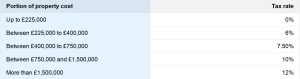
The Welsh Government has announced an increase to the Land Transaction Tax (LTT) threshold for houses to £225,000.
The Welsh version of stamp duty follows the UK government’s announcement last week which also raised the threshold for house purchases from £125,000 to £250,000.
The Welsh government also announced there will also be a “small increase” in the rate of Land Transaction Tax for homes over £345,000.
Under the new rates house buyers in Wales will pay 6% tax between purchases of £225,000 and £400,000, whereas before it was 3.5% between £180,000 and £250,000 and 5% between £250,000 and £400,000.
However, there will be no tax relief for first-time buyers under the new scheme.
The changes will come into effect on the 10th of October.
Finance Minister, Rebecca Evans, criticised the UK’s mini-budget last week stating the budget was “divisive” she was planning to make changes to LTT before the mini-budget, but was “concerned that the level of expectation of changes will lead to considerable uncertainty in our housing market”. She added:
“This is a change tailored to the unique needs of the housing market in Wales and contributes to our wider vision of a fairer tax system.
61% of homebuyers will not pay tax on their purchase.
These changes will get support to people who need it and help with the impact of rising interest rates.”
Peter Fox, Conservative finance spokesman, supports the rise in LTT, but said the Welsh government should have extended the policy to help those “aspiring to buy their first home”.
Propertymark CEO, Nathan Emmerson added:
“Wales has seen large growth in house prices due to spikes in demand, so it is therefore logical that the tax threshold would be changed in line with current property values.
“When LTT incentives are created, they are largely aimed at first time buyers, but incentives for downsizers or last time movers would encourage movement in the latter part of the market, which when blocked stops movement further down for second steppers and first-time buyers, causing stagnation as buyers have nothing to move on to.”
https://todaysconveyancer.co.uk/email-sign-up/