
Sinclair & Anor v HMRC [2026] UKFTT 798 (TC) has been read as another mixed use defeat. Read the judgment closely and a different story emerges, Louise head of property tax at Post Complete, explains. The case turned less on the law and more on what was, and was not, on the file at completion.
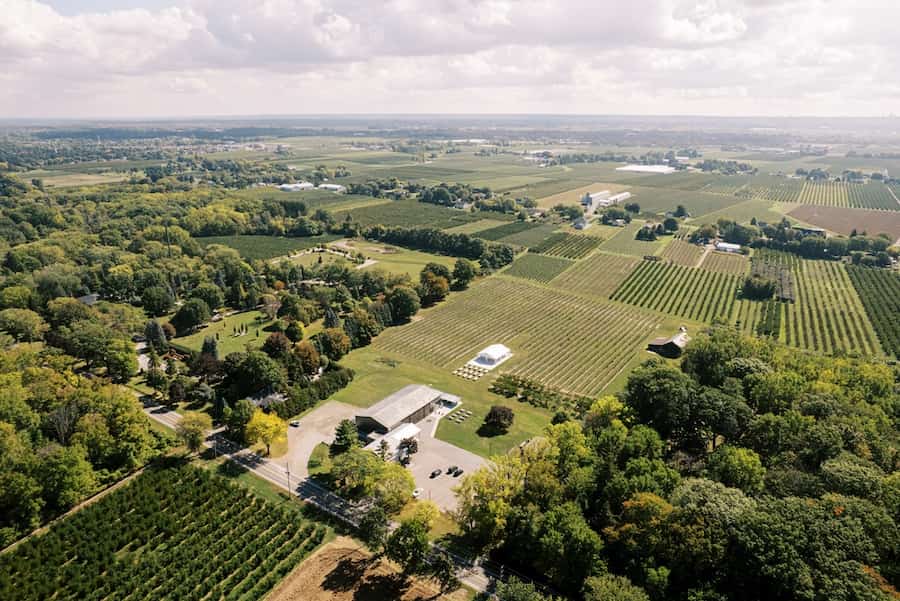
Mr Sinclair and Ms Chilvers bought a farmhouse for £1,810,000. The property included a field of around one acre, separated from the gardens by post-and-rail fencing and used for years by a neighbouring farmer to graze a small number of sheep.
The return was filed at non-residential rates and SDLT of £80,000 was paid. HMRC opened an enquiry and assessed at residential rates, producing additional tax of £48,450. The appellants argued the field was non-residential because of the farmer’s commercial use. The tribunal disagreed.
What the tribunal actually weighed
The legal framework was not in dispute. The tribunal applied the established approach from Hyman and Suterwalla v HMRC [2024] UKUT 00188 (TCC). What decided the appeal was the quality of the contemporaneous evidence of commercial use.
Three points from the judgment are worth pulling out.
First, the grazing arrangement had run informally for years and had never been documented. The farmer told the seller he would confirm the arrangement in writing. He did not do so until the day of completion.
Second, the day before completion Mr Sinclair was admitted to hospital. The written grazing agreement eventually produced to the tribunal was undated, unsigned, and, on the tribunal’s finding at paragraph 40, put in place after completion as a result of Mr Sinclair’s hospitalisation. The tribunal described the position as “not ideal” but did not turn the case on that point alone.
Third, the farmer did not give evidence. The tribunal noted at paragraph 78 that, absent evidence from the farmer, it was unable to conclude that the main purpose of the arrangement was to provide grazing for the sheep. It found the main purpose was to help the appellants maintain the field.
The combination of no rent, no contemporaneous documentation, no farmer witness, and use the Tribunal characterised as “limited, intermittent, and consistent with maintenance of the land” landed the field on the residential side of the line.
Where the conveyancer’s file fits
This is where Sinclair becomes useful reading for conveyancers, rather than just another case note.
Mixed use claims that rely on third-party agricultural use depend on evidence the buyer’s solicitor is often best placed to gather before completion. The kinds of things tribunals have weighed in recent mixed use decisions include:
- A written agreement with the third party that pre-dates completion, properly dated and signed.
- Terms that record the commercial purpose: rent or other genuine consideration, the area the third party can use, the duration, and any exclusivity.
- Independent evidence of the historical use: dated photographs, invoices to or from the third party, correspondence with the NFU or a land agent, anything that fixes the use in time.
- A willingness from the third party to provide a witness statement if HMRC opens an enquiry.
None of these are new. They are the kinds of evidence the tribunal looked for in Sinclair and, on the facts, were either absent or assembled late.
The wider picture
Sinclair sits alongside Suterwalla and Sangeeta Modha v HMRC [2023] UKFTT 783 (TC), the case in which the FTT first used the phrase “barter of convenience”. Read together, the tribunals have built a settled vocabulary for testing thin grazing arrangements: incidental versus self-standing use, the centrality of contemporaneous evidence, and a clear reluctance to accept documentation produced after the event.
The practical takeaway is unglamorous. The work done on the file in the weeks before exchange to document third-party use is often what decides the SDLT outcome two years later, when HMRC opens an enquiry. By the time the enquiry letter arrives, the chance to create contemporaneous evidence has gone.
Mixed use SDLT is rarely straightforward. Where a claim is being considered, the file built before completion will usually do more to protect it than any analysis carried out afterwards.