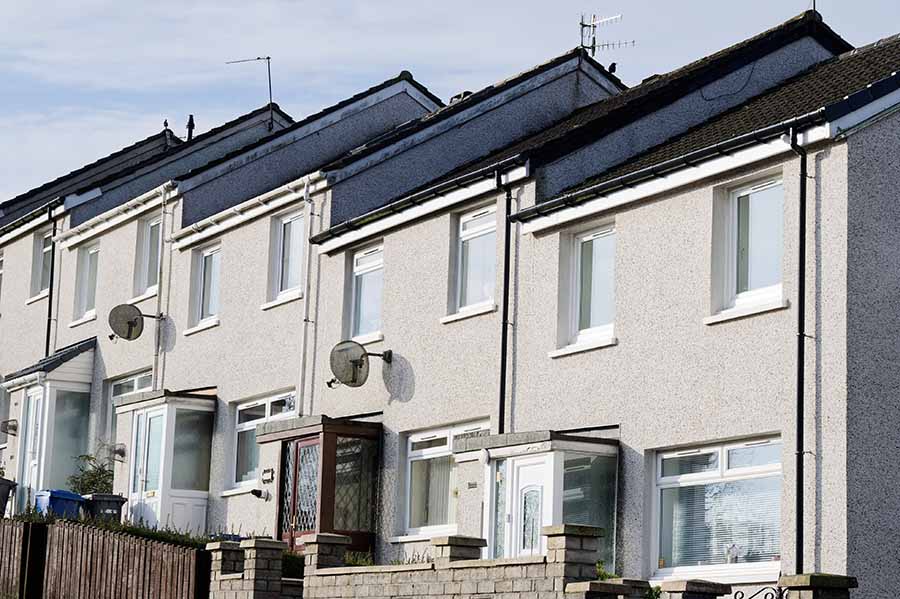

The number of council tenants buying their homes off the local authority via the Right to Buy scheme went up 90% this financial year compared with a year earlier.
Local authorities reported 14,275 eligible sales in 2025-26, an increase of 90% compared with 2024-25, the latest government figures reveal.
The spike is thought to have been caused by the end of a discount. Anyone who applied before November 2024 was eligible for a discount of up to £136,400 if their home was in London, or £102,400 if their home was outside London.
As a result, Right to Buy applications ahead of the reduction increased to 63,378 in 2024-25, up from 18,755 in 2023-24.
Earlier this year the government confirmed its plans to overhaul Right to Buy following a consultation.
It intends to support councils to better protect and rebuild depleted housing stock while maintaining a route into homeownership for tenants.
The reforms will include increasing the minimum eligibility period from three to ten years before tenants can apply to buy their home, new discount rules so that discounts start at 5% of the property value and increase by 1% each year up to the maximum discount of 15% of the property value or the cash cap (whichever is lower).
The plans also include a 35-year new-build exemption period so new social homes cannot be sold under Right to Buy for 35 years after they are built.