
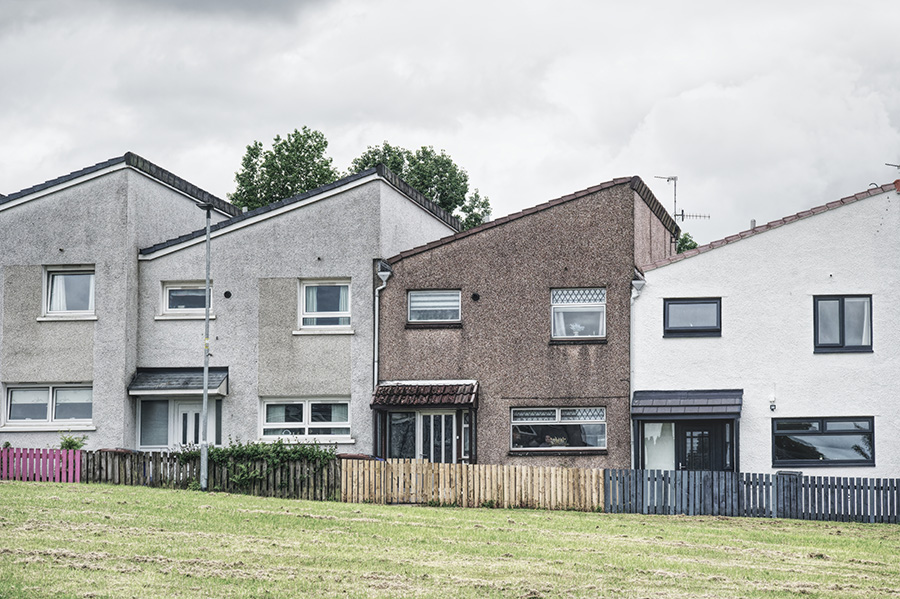

Council tenants will have to wait three times as long to be eligible to buy their homes under major Right to Buy reforms announced by the government this week.
The minimum eligibility period to purchase a council-owned home will be extended from three to 10 years, while the reforms set discounts at 5% of property value, increasing at 1% per year to a maximum of 15%.
And, in a bid to “give councils more confidence to ramp up the delivery of new social homes,” newly built social housing will be barred from sale for 35 years.
Since the consultation, the government says it has explored more effective fraud prevention to mitigate vulnerable tenants being pressured into buying and reviewing how the Right to Buy scheme applies in rural areas.
The Chartered Institute of Housing (CIH) said the reforms recognise that social housing needs protection.
“CIH welcomes the government’s continued focus on reforming Right to Buy and the clear recognition that change is needed to better protect and rebuild our social housing,” CEO Gavin Smart said.
“The measures confirmed today are a positive step towards addressing the long-standing imbalance between homes sold and those replaced.
“We also welcome the further work on fraud prevention and the scheme’s impact in rural areas, both of which are crucial to ensuring Right to Buy operates fairly and sustainably.”















One Response
Extending the eligibility period to 10 years is a significant shift and should help ease some of the pressure on social housing stock, though it will be interesting to see how it affects demand in the interim years while tenants wait it out. The 35-year sale restriction on newly built social homes is arguably the more consequential change here, particularly for councils’ long-term planning confidence. Curious how the fraud prevention measures will actually be enforced in practice, that’s often where these reforms fall short despite good intentions on paper.