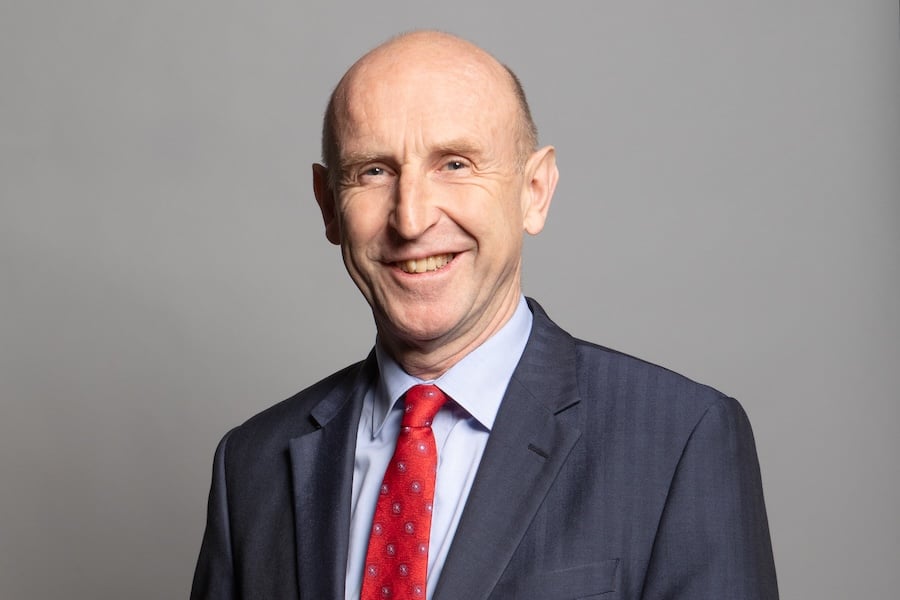

Former defence secretary John Healey has been announced as the new Chancellor of the Exchequer in Andy Burnham’s government, replacing Rachel Reeves.
His first move has been to remove VAT from energy bills. “For too long, too many people have struggled with the cost of living,” he said.
“Today’s energy tax cut will give families some breathing room on bills, and provide some reassurance this winter.”
The measure will be funded from cancelling the Digital ID programme, and Healey says “it will help bring down inflation while supporting households in every postcode.”
Burnham has suggested he might increase the £12,570 threshold at which tax is payable, and he has previously backed reforming stamp duty and imposing a property levy instead of council tax.
What are Healey’s views?
In opposition
During his tenure in opposition, as shadow housing minister, Healey remarked on how unfair it was that some first-time buyers have to pay stamp duty, especially when buying shared ownership homes.
“I want to see them (the government) applying to shared ownership, the same rules as they apply to people buying a full house for the first time,” he told the BBC in 2018.
“It’s inconsistent. It’s not fair. These are precisely the people that this stamp duty relief should be there for and it isn’t.”
Healey is seen as broadly in alignment with his colleague Angela Rayner, who has returned to her earlier role as housing secretary.
He expressed public support for Rayner during scrutiny of her tax affairs – of which she was later cleared of wrongdoing by HMRC.
When he was defence secretary, Healey also came under scrutiny over unpaid council tax – but the error was found to be Westminster City Council’s and not Healey’s.
Both Healey and Rayner are viewed as “soft left” and have previously expressed support for prioritising housing and development.
Voting record
Healey’s voting record in the Houses of Parliament indicate some of his views on tax and property.
Records show he has consistently voted for an annual tax on the value of expensive homes, popularly known as a mansion tax.
He has voted for increasing capital gains tax seven times. He has voted against increasing the rate of VAT.
He has almost always voted for increasing income tax, voting to do so 26 times, four times against, between 2011 and 2025.
Healey voted for charging VAT on private school fees, against higher taxes on alcohol, and for increasing windfall tax on oil and gas companies.
Historically, Healey has voted against higher regulation of trade union activity; and he has tended to vote for higher taxes on banks.