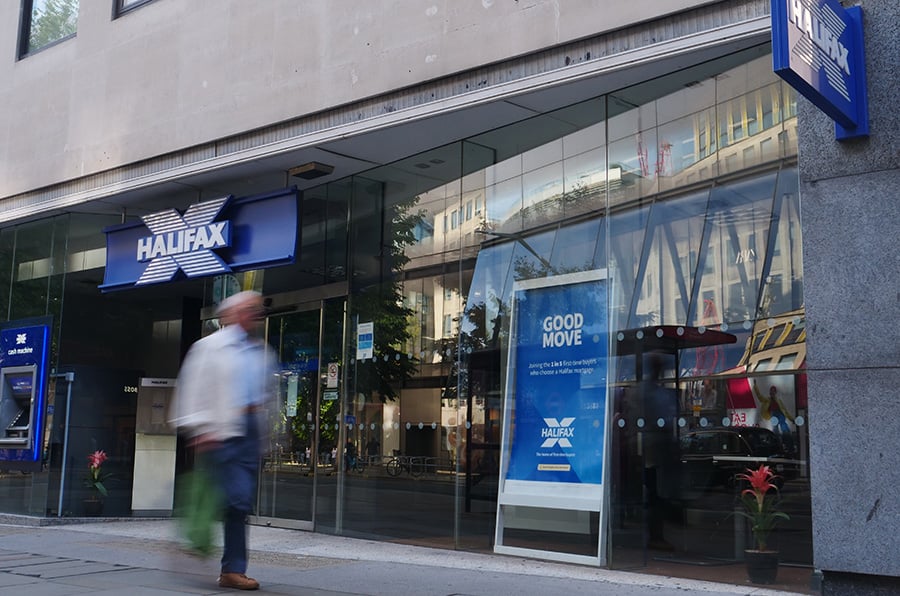

The Halifax has reported the third consecutive monthly increase in the average house price in the UK, which the building society says is supported by improving affordability and resilient demand.
An increase of 0.3% in August takes the average UK property price to £299,331 – an annual growth rate of 2.2% (down from 2.5% in July). The average price paid by first-time buyers has fallen slightly, with the typical property now costing £237,577, down -0.6% since May.
‘The story of the housing market in 2025 has been one of stability’, Halifax head of mortgages Amanda Bryden commented.
“Since January, prices have risen by less than £600, underlining how steady the market has been despite wider economic pressures. Affordability remains a challenge, but there are signs of improvement. Interest rates have been on a gradual downward path for nearly two years, and many of the most competitive fixed-rate mortgage deals now offer rates below 4%.
“Combined with strong wage growth – which has outpaced house price inflation for nearly three years – this is giving more prospective buyers the confidence to take the next step. Summer is typically a quieter period for the market, so the recent rise in mortgage approvals to a six-month high is an encouraging sign of underlying demand.”
Regionally, the country continues to show a north/south divide, with the North East, North West and Yorkshire & the Humber all recording annual growth above +4%. By contrast, the South West saw prices fall -0.8% over the past year. London continues to see modest growth, with prices up +0.8% year-on-year, but remains the most expensive part of the UK with an average property value of £541,615. In Wales, prices rose +1.6% year-on-year taking the average home to £227,786.
Responding to the figures, Iain McKenzie, CEO of The Guild of Property Professionals, echoed Bryden’s comments that the data reflects a steady and balanced housing market. ‘Easing borrowing costs have played a central role in supporting buyer confidence’, he said.
“With interest rates now at their lowest level in more than two years, demand has held firm, and we’ve seen healthy levels of activity even through the quieter summer months. Encouragingly, mortgage approvals and transaction volumes are both running ahead of last year.”
However, he warned that wider economic factors including inflation that ‘remains stubbornly above target’ and speculation over changes to property taxes could ‘add a new layer of uncertainty’.
Propertymark CEO Nathan Emerson also acknowledged the housing market ‘is holding firm’ and agreed that uncertainty could impact moving plans.
He commented:
“[T]he latest announcements from the UK Government about reforming Stamp Duty and charging landlords with National Insurance contributions ahead of the next Budget will continue to add further uncertainty for many potential buyers and sellers. This may delay moving plans for a number of people until they know for sure what is likely to happen next. Therefore, we need to see further clarity from the UK Government sooner rather than later.”
But despite the threat of potential tax-related disruption, the picture from estate agents remains positive.
Guy Gittins, CEO of Foxtons, commented:
“Following interest rate reductions, improving mortgage affordability and the increasing number of higher loan-to-income ratio products available, we’re now seeing the uplift in mortgage market activity begin to convert into transactional growth. In turn, the rate of house price growth is starting to accelerate. Market momentum remains steady and this underlying stability is encouraging buyers and sellers back into the fold, albeit with a degree of caution ahead of November’s budget.”
Yopa CEO Verona Frankish confirmed that improved affordability is having a positive impact on the market. She said:
“House prices continue to edge higher, underlining the resilience of the market in the face of wider economic pressures and the continued drive from the nation’s homebuyers to climb the ladder. Improved mortgage affordability is encouraging more buyers to return and this is a trend that is only likely to build as we approach the final stretch of 2025 and the rush to complete before Christmas.”
Marc von Grundherr, director of Benham and Reeves, said the picture on the ground is one of ‘a slow but steady market trajectory that demonstrates buyer and seller activity’. While acknowledging the uncertainty from buyers surrounding potential property tax changes, he said demand could surge in response to any upcoming changes:
‘[F]or many, this isn’t about the threat of higher costs or new taxes, but rather the possibility of stamp duty being scrapped altogether. Understandably, buyers are keen to wait and see if such a significant financial barrier is removed and should the government take that step, we can expect a sugar rush of sudden house price inflation as buyer activity is supercharged like never before.”
However, the Bryden predicts the housing market will remain steady in the face of ongoing economic challenges.
She concluded:
“While the wider economic picture remains uncertain, the housing market has shown over recent years that it can take these challenges in its stride. Supported by improving affordability and resilient demand, we expect to see a slow but steady climb in property prices through the rest of this year.”