
The government has launched a consultation on the design and delivery of the High Value Council Tax Surcharge (HVCTS), announced in the 2025 autumn budget by Chancellor Rachel Reeves.
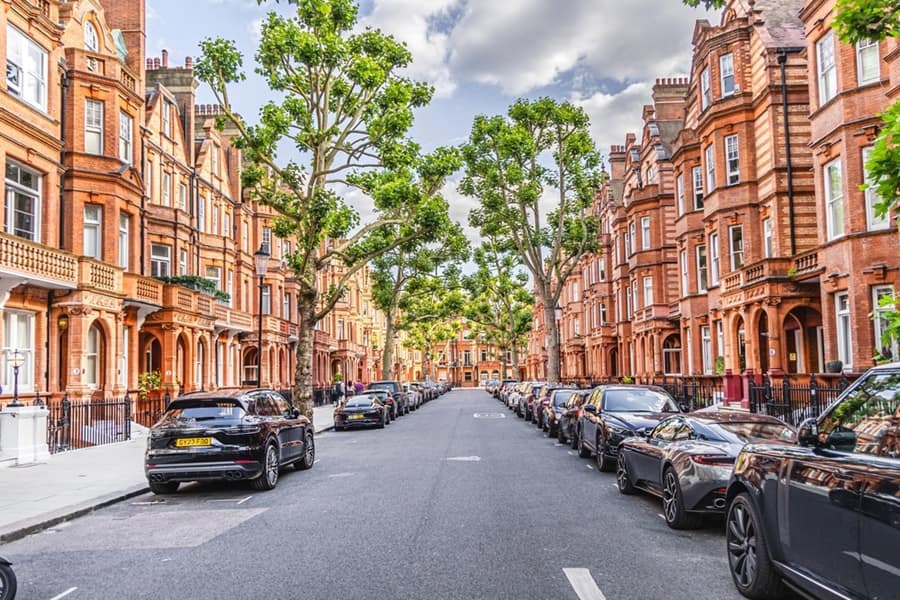
In its ministerial foreword, the consultation identifies the “unjust” nature of council tax, where a “band D property in Darlington or Blackpool, today worth around £400,000, pays £2,400 to £2,600 annually (whereas) a mansion in Mayfair valued at £10 million in Band H pays around £2,100.”
The HVCTS will levy a higher rate of tax on property worth £2 million and above to be paid by the owners. The consultation makes it clear that whereas council tax is paid by the occupiers, the HVCTS is to be paid by the owners.
The eight week consultation, running until 14th July, seeks views on how the HVCTS, applicable to 1% of properties, could work.
The first stage of the process will be to identify properties which correspond to the four thresholds and charging brackets: £2m-£2.5m (HVCTS: £2,500), £3.5m-£3.5m (HVCTS: £3,500), £3.5m – £5m (HVCTS: £5,000) and over £5m (HVCTS £7,500). Charges will be uprated annually in line with consumer price inflation.
The Valuation Office (VO), part of HMRC, will be responsible for valuing properties using combining automated valuation models with “professional valuer judgement”, the criteria for which includes the sales prices of similar properties, adjusting for differences (property type, size, age, number of rooms and parking); the same used as is used for council tax.
Revaluations will be conducted by the VO every five years, with the following revaluation taking place in 2033.
The proposals for leasehold property outline how the HVCTS will be levied on the leaseholder where they hold for long leases – “where the lease was initially granted for more than 21 years, or where the law treats a lease as having been granted for more than 21 years” – and the freeholder where this definition does not apply.
Where the property is held in trust, the proposals suggest the trustees are liable, as with income tax or capital gains tax generated by a property held in trust. A payment deferral scheme is also under consideration.
There will be exceptions: student halls of residence, property owned by the Ministry of Defence, embassies and properties owned by sovereign nations for diplomats, property owned by registered social housing providers, care homes, refuges and new build properties will only come into scope once sold or after 12 months of the completion notice.
The first bills will be circulated in March 2028 and payable over 10 or 12 months in the tax year 2028-29.
Dan Tomlinson, exchequer secretary to the Treasury, said: “A £10 million mansion in Mayfair should not be paying less council tax than an ordinary family home in Darlington or Blackpool. This change tackles historic unfairness, so that those with the most valuable properties pay their fair share, helping to rebalance the system and putting money back into communities up and down the country.”
HVCTS is forecast to raise around £430 million annually for the Treasury but has already come under scrutiny after a freedom on information request by The Times newspaper estimated the cost of implementing the scheme was an estimated £400 million with “behavioural effects” set to impact the collection of HVCTS revenues and cause stamp duty and inheritance tax receipts to fall by £230 million.
The cost of identifying and valuing homes liable is estimated to cost the government a further £120 million, according to The Times.