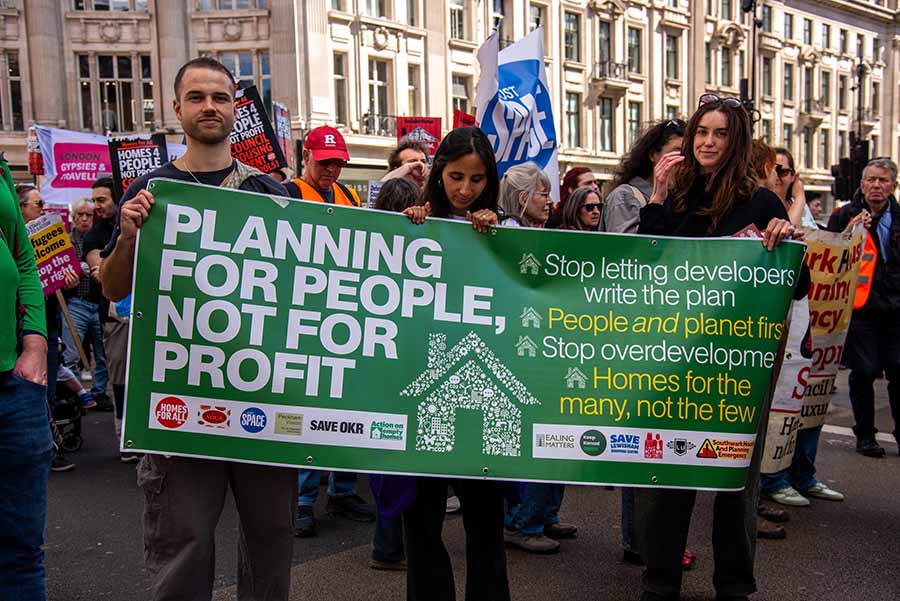

Britain is a nation of ‘yes-in-my-back-yard’ (yimbys) rather than ‘not-in-my-back-yard’ (nimbys), research from Barclays Property Insights suggests, with almost half of those surveyed for the research supporting local development compared with less than a quarter of those in opposition.
The poll of 2,000 UK adults found 43% of respondents supported new homes being built within three miles of where they live, compared to just 22% who opposed the plans.
Opposition to development centred on concerns over whether local communities can absorb growth, rather than a blanket rejection of new homes. Loss of green space, countryside or natural habitat was the leading reason for opposition (61%), followed by pressure on local services such as GPs and schools (57%), increased traffic and congestion (55%) and insufficient local infrastructure (52%).
By contrast, just 7% of respondents said they would oppose development because it could reduce the value of their own home.
When asked what the government should prioritise on housing over the next three years, 32% of respondents cited building social or affordable housing. Reducing homelessness was the priority for 28%, with 25% wanting to make it easier for first-time buyers to get on the housing ladder.
Opposition to development builds with age, the research found. Half of Gen Z (51%) said they supported new homes locally, followed by 48% of millennials, 42% of Gen X and just 37% of Baby Boomers. However, support remains higher than opposition even among older respondents, Barclays said.
Confidence in navigating the process of buying a home also holds many movers back, the research found, with more than a quarter (28%) saying they don’t feel confident in their understanding of and ability to navigate the home buying process. The biggest areas of uncertainty are the conveyancing and legal process (37%) and understanding taxes and fees (37%), followed by managing paperwork and documentation (32%).
For younger consumers, the challenges are more focused on affordability and finance. Gen Z adults cite saving for a deposit (39%) and understanding how much they can afford to borrow (36%) as areas where they feel least confident.
Jatin Patel, head of mortgages, savings and insurance at Barclays, said: “New homes are critical to easing tension in the housing supply, but attitudes towards development are nuanced. While UK consumers are broadly supportive of efforts to increasing housing supply, this has to be in step with investment in local infrastructure, healthcare and transport links.
“Homeowners also need confidence that they can navigate the process of buying, selling and financing a move. Supporting mobility throughout the market, from first time buyers getting onto the ladder to homeowners right-sizing into properties that better suit their needs, will be key to helping more people achieve their housing ambitions.”
Propertymark CEO Nathan Emerson said the findings underline an important point: “The conversation around housing cannot stop at how many homes we build, but must also consider whether the market is delivering the right homes, in the right places, for the people who need them.
“We see the consequences when supply does not reflect local demand. New development needs to create a genuinely functioning housing market, with a mix of tenures and property types that supports people at different stages of life, not simply add headline numbers to housing targets.
“There is also a need to look beyond new-build supply and make better use of the homes we already have. A healthy housing market depends on people being able to move when their circumstances change, whether that means a first-time buyer purchasing their first home, a growing family moving up the ladder or an older homeowner finding a property that better suits their needs.
“The research also highlights the importance of making the process of buying and selling as straightforward as possible. When people lack confidence around the transaction process, or face uncertainty around costs and paperwork, that can create additional friction in an already complex market.
“The public clearly sees housing as a social issue, but the findings also demonstrate how interconnected the market is. More homes, greater choice and the ability for people to move through the market all play a role in creating a housing market that works for consumers at different stages of their lives.”
| To what extent would you support or oppose new homes being built in your local area, (within 3 miles of where you live)? | ||
| Support | Oppose | |
| Northern Ireland | 53% | 15% |
| Wales | 52% | 10% |
| Yorkshire and Humberside | 49% | 20% |
| London | 48% | 15% |
| Scotland | 48% | 15% |
| North East | 46% | 18% |
| West Midlands | 44% | 19% |
| North West | 44% | 20% |
| East Midlands | 43% | 24% |
| East of England | 36% | 30% |
| South East | 36% | 35% |
| South West | 35% | 27% |
Source: Barclays Property Insights