
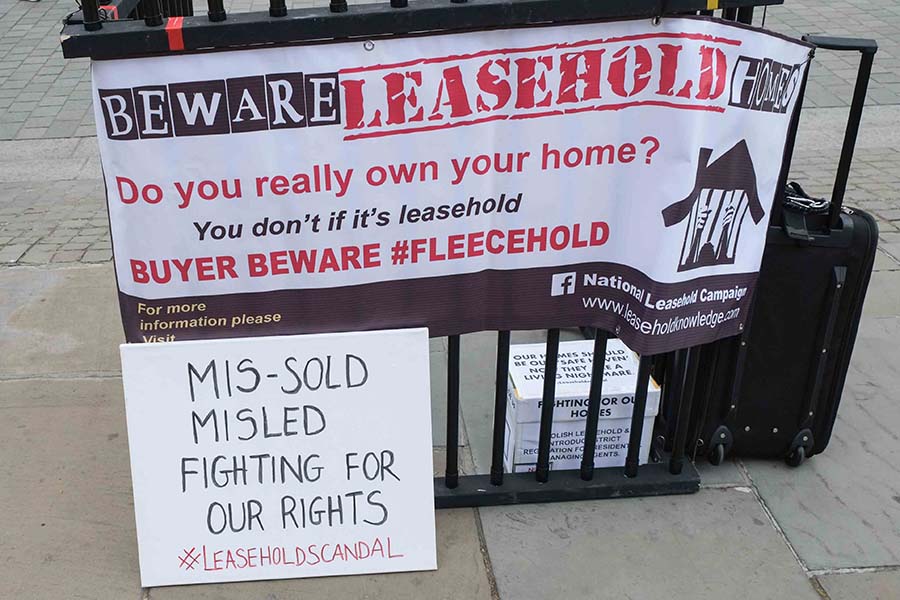

Louise Ainley, conveyancing solicitor at licensed conveyancer course provider Access Law Online, explains how leasehold reform is affecting the way buyers and lenders approach transactions, and the impact on conveyancers.
The early stages of the Leasehold and Freehold Reform Act are influencing leasehold transactions in ways that are easy to overlook. As buyers and lenders respond to part implemented changes, a divide is forming between homes viewed as reform ready and those carrying legacy risks, shaping interest, pricing and progress.
A landscape shaped by unfinished reform
Only some parts of the Act are active, with many measures still dependent on secondary regulations. Even so, the early impact is clear in the day to day work of conveyancers. Freeholders, lenders and managing agents are reacting at different speeds, creating uneven expectations across the market.
With 5.3 million leasehold households still affected by the reforms, and 400,000 fewer flat owners listing their homes last year because of concerns about value, conditions are already shifting. HMRC recorded 1.24 million property sales agreed in 2024, increasing the workload for a sector facing a shortage of experienced conveyancers. Reform is arriving in stages, yet it is already shaping behaviour.
Two types of homes emerging
Buyers are placing greater weight on lease length, service charge history and the clarity of management information. As a result, leaseholds are beginning to fall into two broad groups.
Reform ready homes tend to have long leases, low ground rents and clear records which attracts more confident interest and conveyancers often progress them with fewer enquiries.
Legacy risk homes are a different story. Many involve shorter leases, rising charges or delays in obtaining information from those responsible for management. Even within the same building, the two similar homes can draw different interest depending on how clear the management information is and how likely buyers think costs may change when the next part of the Act is introduced.
Early signs showing through conveyancing files
Conveyancers are reporting growing variations in how different parties respond to the reforms. Valuation rules remain under review, and freeholders have begun a new appeal following their unsuccessful £5 million High Court challenge, while managing agents are waiting for the outcome of the government’s consultation on service charges and lenders are reconsidering their positions as the next stages of reform approach.
A previous case in the media highlights this challenge, where a leaseholder found several buyers yet each sale fell through because the freeholder refused to complete the LPE1 form or give written consent for assignment. As freeholders are not legally required to reply to these enquiries, the seller had no way to move the transaction forward, a clear example of how uncooperative management arrangements can hold up a sale, even when buyers are ready to proceed.
These delays are becoming more common in homes already facing closer scrutiny, creating a divide much earlier in the process than many expected. Conveyancers are seeing extended lists of enquiries, repeated requests for documents and pauses in valuation discussions, even where buyers want to proceed.
How the divide is shaping the market
This separation between reform ready and legacy risk homes is beginning to influence both pricing and timelines. Buyers are negotiating more firmly where lease terms raise questions or where service charge records suggest changes ahead, with agents reporting that interest can vary widely within the same development depending on how prepared a seller is and how complete the management information appears.
For leaseholders, this shift means that issues once viewed as routine can now affect both the chances of receiving an offer and the time needed to complete a sale. Homes with clear records and long leases tend to progress more smoothly, while those without may experience early hesitations from buyers or lenders.
Preparing for rising expectations
Those involved in leasehold transactions may find that early preparation supports better progress as the reforms continue to unfold. Steps that can help include:
- Preparing management information packs at the point of listing
- Reviewing service charge history and lease terms in advance
- Offering clarity about any planned increases or past disputes
- Speaking with conveyancers early to identify factors that may slow progress
For landlords and managing agents, timely responses are becoming more valuable, as buyers are looking for reassurance that costs are not likely to change sharply once the next stages of the Act come into force. This makes slow or incomplete information more likely to hold up progress, especially when buyers are already cautious about future costs.
Conveyancing during transition
Leasehold reform is already affecting the way buyers and lenders approach transactions, even though much of the legislation is still to come. These early responses are shaping the experience of anyone involved in a leasehold sale.
Rather than creating a single pattern, the reforms are prompting buyers to look more closely at the details behind each property. Sellers, agents and advisers who prepare for these questions are more likely to keep their transactions moving as the market continues to adjust.
About the author
 Louise Ainley is a conveyancing solicitor at Access Law Online, an SQA regulated training provider supporting the development of conveyancing and probate professionals across the legal sector. She works closely with learners and practising conveyancers, providing insight into how ongoing leasehold reform is influencing current transactions.


















One Response
What no mention of properties affected by the Building Safety Act? Surely this is impacting too?